Six Cities, One Tiny Cheese Bar
What happens when a tiny Carrboro cheese bar decides to eat the world?
✍🏻 Written by: Michelle Webb
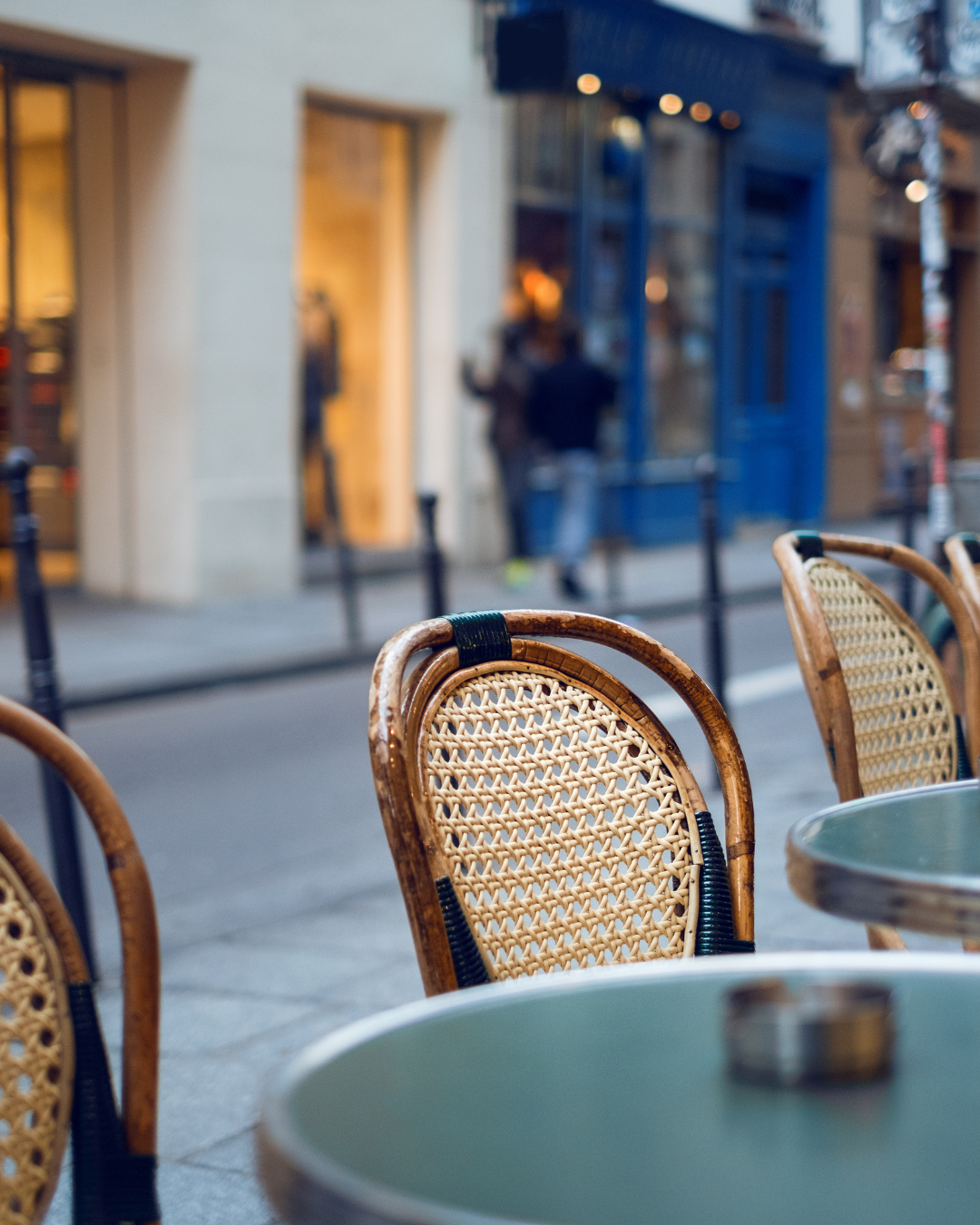
When we started our Eat the World winter series at Wedgewood, the idea was simple: if January and February are going to be gray, cold, and a little bleak, we might as well travel. If not physically, then at least through food.
Over the past two months, our tiny cheese bar in Carrboro has turned into a rotating passport stamp of six iconic European food cities that understand winter cooking better than we do.
Cities where cold weather doesn’t mean deprivation — it means deeper flavors, longer meals, better wine, and cheese that was made for exactly this season.
Wedgewood at Full Throttle
When we first started planning the Eat the World series, we didn’t exactly know what it would look like. We just knew that January and February felt like the right time to explore the kinds of places that truly embrace winter cooking.
What the series quickly became was something else entirely: Wedgewood at full throttle.
These events are where we get to be our most creative and our most Wedgewood. They allow our team to operate at full horsepower, drawing on all of the skills and expertise — cheese, butter, wine, cuisine, terroir, history, geography, science, technique — that make this place what it is.
These are not menus we can pull off every week during regular service. They require research, planning, sourcing, and a little bit of culinary audacity.
But you better believe we dive deep into these cities — their signature dishes, ingredients, and traditions — to make the experience feel authentic. Our chef and team will somehow find a way to execute a brand-new menu and push out 120–160 plates from a kitchen the size of a walk-in closet every other Sunday night without blinking. Aili will track down the exact cheese that makes a sauce sing, anchors a pairing, or becomes the quiet star of a dish. Stevie will weave together his love of cheese and his European roots through menus and storytelling. Maggie will pore over every wine pairing with enthusiasm and confidence until each glass lands exactly where it should.
And my job, happily, is to dream up the journey in the first place — the cities, the flavors, the stories — and then watch this team bring it to life.
It’s Wedgewood at its finest. And what makes it truly special is the team behind it.
The Cities
Paris: Our journey began in Paris, though in true Wedgewood fashion it wasn’t exactly the Paris you might expect. Instead of recreating classic bistro dishes, we reinterpreted them — starting with gougères stuffed with jambon de Paris and Comté mornay, followed by a deeply indulgent duck dish over Puy lentils. Somewhere along the way, that dish sparked one of my favorite kitchen experiments of the season: a compound butter built on crispy duck skin. Because if butter wasn’t rich enough already, we figured we might as well fold crackling into it.
Burgundy: Next came Burgundy, which unfortunately never quite happened. Not one, but two weekends in a row, winter storms rolled through North Carolina and forced us to cancel the class. Burgundy — the land of Époisses, gougères, and the legendary eggs poached in red wine known as œufs en meurette — apparently wanted to remain a little mysterious this season. We’ll make it there eventually.
Turin: From there we traveled to Turin, where northern Italian cooking leans deeply into butter, hazelnuts, wine, and slow braises that feel tailor-made for cold weather. Our menu centered on a rustic Chicken Cacciatore with creamy polenta, simmered with mushrooms, herbs, and red wine until the entire room smelled like an Italian Sunday afternoon. It’s the kind of dish that reminds you that great winter cooking is rarely complicated — just patient.
Copenhagen: Then north to Copenhagen, where Scandinavian cooking proves that winter food doesn’t have to be heavy to feel comforting. Rye bread, cultured butter, smoked fish, and bright pickled flavors create warmth through balance rather than excess. Dense Danish rye bread anchored the table while our kitchen turned humble cabbage into something quietly luxurious — charred wedges served with havarti cream sauce and a shower of bright, lemony breadcrumbs.
Edinburgh: After that came Edinburgh, where the food reflects the rugged landscape and cold North Sea winds: smoky fish, sturdy grains, rich dairy, and whisky never too far from the table. Scottish smoked salmon was washed in whisky and served as a crudo, layered with a crème fraîche caper remoulade and finished with a snowfall of Isle of Mull cheddar over a crisp oatcake. It’s the kind of dish that sounds slightly insane when you say it out loud, and yet somehow makes perfect sense once it hits the plate. We did eventually return to tradition at the end of the meal with cranachan, Scotland’s beloved dessert of raspberries, honeyed cream, toasted oats, and whisky — so beloved by our guests that it will make its way to our regular menu this spring.
San Sebastián: And this Sunday, we’ll close the series in San Sebastián, one of the great food cities of the world. A place where bars overflow with pintxos, seafood is treated with reverence, and acidity quietly anchors the entire cuisine. Our menu leans into that energy with reimagined Gildas and a Mussels Escabeche Caesar — briny mussels folded into a sharp, sherry-vinegar dressing that tastes unmistakably like the Atlantic — along with two more regional surprises we’re keeping to ourselves for now.
Cooking the World
What started as an idea for a winter class series quietly became one of the most fun things we’ve done at Wedgewood. Part tasting, part storytelling, part edible geography lesson.
Because food tells you a lot about a place. What grows there. What survives winter there. What people crave when the days are short. It also turns out that cheese is one of the best translators between cultures. Nearly every city we visited had its own version of the same instinct: milk transformed into something that lasts longer, tastes better, and brings people together at the table.
Different techniques. Different animals. Different climates. Same human impulse.
If you joined us for one of the classes—thank you for traveling with us.
And if you missed this winter’s journey, don’t worry.
The world is big.
And we’re just getting started.
Recipes
Mussels Escabeche Caesar (San Sebastián)
This version leans on one of Spain’s great pantry treasures: tinned mussels in escabeche. The vinegar-bright marinade becomes the backbone of a punchy Caesar-style dressing.
Ingredients
1 tin Espinaler Mussels in Escabeche (separate tin juice but do not discard)
1 roasted red pepper, diced
1 tsp sherry vinegar
1 small garlic clove
1 anchovy fillet, chopped
1 egg yolk or sub with mayo
½ tsp Dijon mustard
2 tbsp lemon juice
¼ cup olive oil
2–3 tbsp escabeche liquid from the mussel tin, halved
Freshly cracked black pepper
Handful of fresh, flat-leaf parsley
Toasted garlic bread
Shaved Manchego
Instructions
Fold the mussels, roasted red pepper and sherry vinegar in a small bowl, add salt and pepper to taste; set aside.
In a bowl or small blender, combine garlic, anchovy, egg yolk, Dijon, and lemon juice.
Slowly whisk or blend in olive oil until emulsified.
Add half the escabeche liquid from the mussel tin to brighten the dressing and give it that signature Basque acidity.
Pile the mixture onto warm garlic bread, then shave Manchego generously over the top.
Finish with black pepper, fresh parsley, and a drizzle of olive oil.
Duck Crackling Butter (Paris)
This butter came from our Paris menu — a dish that proved that if butter isn’t rich enough on its own, you can always add crispy duck skin.
Ingredients
½ cup duck skin, finely chopped
4 oz high-quality salted butter, softened
1 small shallot, very finely minced
1 tsp Dijon mustard
1 tsp lemon juice or red wine vinegar
Pinch black pepper
Instructions
Place chopped duck skin in a cold skillet and cook slowly over medium-low heat.
Render the fat gently until the skin becomes deeply golden and crisp. Drain on paper towels and let cool.
In a bowl, mix softened butter with shallot, Dijon, lemon juice, and pepper.
Fold in the cooled duck cracklings.
Shape the butter into a log using parchment paper and refrigerate until firm.
Slice and serve over warm bread, roasted vegetables, lentils, or steak — or anywhere butter belongs, which is most places.
Chicken Cacciatore (Turin)
8 boneless skinless chicken thighs
8oz mushrooms
1 carrot diced
1 celery diced
2 onion diced
2 garlic cloves sliced
2 tbsp parsley
1 tbsp fresh chopped thyme
1 tbsp fresh chopped rosemary
1/2 cup dry white wine
1/4 tsp red pepper flake
1 28 oz can tomatoes
1 tbsp Tomato paste
Instructions
Brown the chicken thighs in olive oil and set to one side. Be careful not to overcrowd the pan.
Add the vegetables to the pan you cooked the chicken in and fry until softened and lightly browned. Put the vegetables to one side.
Add the tomato paste to the pan and cook until darkened, about one minute.
Add the white wine to the pan and deglaze, scraping up all the good, brown crusty bits and cook off the alcohol.
Add the tomatoes and stir thoroughly.
Return the chicken and vegetables to the pan. Add the herbs and cook for 30 minutes.
Serve and garnish with some more chopped parsley.
Charred Cabbage with Havarti Cream & Zesty Breadcrumbs (Copenhagen)
Ingredients
1 head green cabbage, cut into 6-8 wedges
Olive oil
Salt and pepper
Havarti Cream
¾ cup cream
½ cup grated Havarti
1 tsp Dijon mustard
Zesty Breadcrumbs
½ cup toasted breadcrumbs
Lemon zest
Parsley
Olive oil
Instructions
Char cabbage wedges in a hot pan or under a broiler until edges are deeply browned and the interior is tender.
Warm cream and whisk in Havarti and Dijon until silky on low heat, season with salt and pepper; careful not to boil or sauce will break
Spoon sauce onto a platter, place cabbage over top, and shower with the lemony breadcrumbs.